














The La Palma Canary Islands experience feels different from its neighbors. This island moves at a calmer pace. Roads twist through pine forests. Clouds drift across mountain ridges. Nights turn dark enough to show the Milky Way. Many visitors arrive expecting “just another Canary Island” and leave surprised by how much quieter and greener it feels.
This long guide breaks down La Palma, Canary Islands in a clear, grounded way. You’ll find weather details by month, a look at the map and layout, airport access, holiday planning tips, and what daily life feels like on the island. If you want a real sense of the place, not brochure lines, this is for you.
Where La Palma Sits in the Canary Islands
La Palma lies in the north-west of the Canary Islands chain, off the coast of northwest Africa. It belongs to Spain and forms part of the Canary Islands autonomous region.
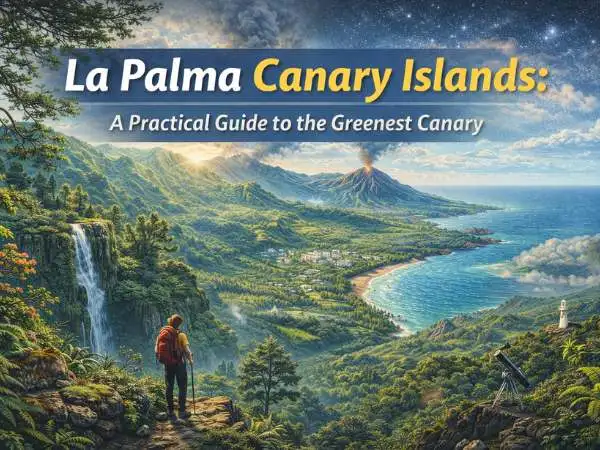
The island often goes by its nickname, La Isla Bonita. That name fits. Steep green slopes drop into the ocean. Towns sit on ridges or cling to valleys. The landscape changes fast over short distances.
La Palma is not flat. Elevation defines everything here.
La Palma Canary Islands Map: Understanding the Layout
A La Palma Canary Islands map explains the island better than words alone. The island runs roughly north to south. A mountain spine cuts through the middle. Deep ravines, called barrancos, slice down toward the sea.
Key areas include:
- Santa Cruz de La Palma on the east coast
- Los Llanos de Aridane on the west
- The Caldera de Taburiente in the center
- Volcanic zones along the southern ridge
Distances look short. Travel time feels longer due to winding roads and elevation shifts.
also read : – Sicily Volcano Etna: Eruptions, History, Facts, and Why This Mountain Never Really Sleeps
The Landscape That Shapes Daily Life
La Palma rises steeply from the ocean to high peaks. This shape creates microclimates. One side may sit under clouds. The other stays sunny and dry.
The north and east hold more greenery. The west gets longer sun hours. The south shows newer volcanic land, shaped by recent eruptions.
This contrast defines weather, farming, and tourism patterns.
La Palma Canary Islands Weather: The Big Picture
La Palma enjoys mild temperatures year-round. Extremes stay rare. The island earns a reputation for stable, comfortable weather rather than constant heat.
Typical daytime temperatures:
- Winter: around 18–22°C
- Summer: around 24–28°C
Humidity stays moderate. Trade winds cool coastal areas. Higher elevations feel cooler, especially after sunset.
La Palma Canary Islands Weather February
La Palma Canary Islands weather February stays gentle. Days often reach around 20–22°C. Nights cool down, especially inland.
February works well for:
- hiking
- nature walks
- quiet sightseeing
Ocean temperatures feel cool but manageable for brief swims.
Rain remains possible, mainly in the north. The west coast often stays drier.
La Palma Canary Islands Weather January
La Palma Canary Islands weather January looks similar to February, with slightly cooler nights. Daytime temperatures still allow outdoor plans without stress.
January suits travelers who prefer:
- fewer crowds
- calm towns
- clear hiking air
Mountain areas can feel cold after dark. A light jacket helps.
also read : – How Long Does It Take For Pine Trees to Grow
La Palma Canary Islands Weather December
La Palma Canary Islands weather December brings mild winter conditions. Daytime warmth pairs with cooler evenings. Christmas feels spring-like compared to mainland Europe.
Cloud cover increases in the north. The west stays brighter more often. Holiday lights and local celebrations add warmth without mass tourism.
Summer Weather on La Palma
Summer stays warm but rarely oppressive. Trade winds help keep air moving. Heat waves affect mainland Spain far more than La Palma.
July and August bring:
- clear skies
- dry conditions
- warmer sea temperatures
These months suit beach time and stargazing.
Why Weather Changes Fast on La Palma
Elevation drives weather shifts. A short drive can move you from sun into mist. Locals plan days by watching clouds along the ridge.
Visitors learn quickly:
- east and north feel cooler and greener
- west and south feel sunnier and drier
This variety keeps the island interesting year-round.
La Palma Canary Islands Airport: Getting There
La Palma Airport, also known as SPC, sits on the east coast near Santa Cruz.
The airport handles:
- flights from mainland Spain
- inter-island flights
- seasonal European routes
The terminal stays small and efficient. Car hire desks sit just outside arrivals. Driving starts almost immediately after landing.
Getting Around the Island
Public buses connect major towns, though schedules feel limited for visitors on tight plans. Renting a car offers the most freedom.
Roads:
- remain well maintained
- curve frequently
- include steep sections
Driving feels scenic rather than stressful if you take it slow.
La Palma Canary Islands Holidays: What Type Suit Best
La Palma fits certain travelers better than others.
It suits:
- nature lovers
- hikers
- couples seeking quiet
- photographers
- stargazers
It does not aim for:
- nightlife scenes
- large resorts
- party tourism
Holidays here focus on landscape, food, and calm routines.
Hiking and Nature on La Palma
Hiking stands out as a core attraction. Trails range from coastal paths to high-altitude routes through pine forests and volcanic rock.
Popular areas include:
- Caldera de Taburiente National Park
- Los Tilos forest
- Ruta de los Volcanes
Paths stay well marked. Views change constantly.
Volcanoes and Recent History
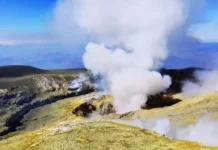
La Palma’s volcanic nature remains visible. The island gained global attention after the 2021 eruption in the Cumbre Vieja area.
New lava fields now form part of the landscape. Some routes remain restricted. Others allow safe viewing areas.
The eruption reshaped parts of the west coast, reminding visitors the island remains geologically active.
Beaches on La Palma
Beaches here differ from sandy resort strips. Many feature black volcanic sand or rocky coves.
Notable spots include:
- Playa de Nogales
- Charco Verde
- Puerto Naos
Ocean conditions change quickly. Swimming suits calmer days.
also read : – Belts in Taekwondo: Order, Meanings, Levels & What Each Belt Really Represents
Food and Local Products
La Palma’s food reflects its land. Bananas grow everywhere. Cheese from goat milk features heavily. Fish arrives fresh from local boats.
Common dishes include:
- papas arrugadas with mojo
- grilled fish
- stews using local vegetables
Meals feel simple and satisfying rather than elaborate.
Wine and Farming Traditions
Vineyards cling to volcanic slopes. Wines taste mineral and fresh. Farming remains small-scale and visible across the island.
Terraced fields show how locals adapted to steep land over centuries.
Stargazing on La Palma
La Palma ranks among the world’s top stargazing locations. Strict light rules protect night skies. The Roque de los Muchachos observatory sits at high elevation for this reason.
Clear nights reveal:
- dense star fields
- planets
- meteor showers
Even casual stargazers notice the difference.
Cultural Life and Festivals
Festivals remain rooted in local tradition. Events feel community-focused rather than tourist-driven.
Highlights include:
- Bajada de la Virgen celebrations
- local village fiestas
- music and dance events
Dates vary. Planning ahead helps.
Living Pace and Atmosphere
Time moves slower on La Palma. Shops close mid-day. Evenings start late. Conversations take priority over schedules.
Visitors often adjust after a few days and begin to appreciate the rhythm.
Sustainability and Tourism
Tourism stays lighter here than on larger Canary Islands. This keeps landscapes intact but limits some services.
Many visitors see this balance as a strength.
Best Time to Visit La Palma
The best time depends on priorities.
- Winter: mild weather, quiet towns
- Spring: blooming landscapes
- Summer: clear skies, warmer seas
- Autumn: stable weather, fewer visitors
There is no true off-season.
also read : – What Are Hancock Birds? An In-Depth Look at Bird Conservation
Planning La Palma Canary Islands Holidays
Plan with realism.
Allow time for:
- slow drives
- weather changes
- rest days
La Palma rewards patience.
Why La Palma Feels Different
La Palma feels less polished and more authentic. That quality attracts a certain type of traveler and pushes others away.
Those who stay long enough often return.
Final Thoughts on La Palma Canary Islands
La Palma offers a side of the Canary Islands that stays quiet, green, and deeply connected to land and sky. Weather stays kind. Landscapes stay dramatic. Life stays unhurried.
It may not shout for attention. It doesn’t need to. Those who listen tend to remember it.
FAQs: La Palma Canary Islands
Where is La Palma located
La Palma sits in the Canary Islands, part of Spain, off the northwest African coast.
What is La Palma Canary Islands weather like
Mild year-round with warm days and cooler nights.
How is La Palma weather in February
Around 20–22°C during the day with cooler evenings.
Is there an airport on La Palma
Yes, La Palma Airport connects the island to Spain and other islands.
Are La Palma Canary Islands good for holidays
Yes, especially for nature-focused, quiet holidays.